Future-Proofing Your Home: Preventative Measures Against Water and Mold Damage Jul 24, 2026
Start with a comprehensive inspection of your home. Walk through each area of your house, both inside and out, looking for any signs of leaks or water intrusion. Pay special attention to spots around windows, roofs, basements, and plumbing systems. Catching issues early can save you from significant repair costs down the line. Make this a routine practice every couple of months to stay ahead of potential problems.
One of the most effective preventative measures is ensuring proper drainage around your home. This includes keeping gutters clean and ensuring downspouts direct water at least five feet away from the foundation. Poor drainage can lead to water pooling, which can weaken your foundation and create an ideal environment for mold growth. Consider grading the land around your home to direct water away if needed.
Inside the house, pay close attention to humidity levels. Mold thrives in damp environments, so maintaining indoor humidity between 30% and 50% can significantly reduce the risk of mold. Invest in a good quality dehumidifier for areas prone to excess moisture such as basements, kitchens, and bathrooms. Additionally, ensure that your HVAC system is serviced regularly and equipped with a humidity control feature.
Regular maintenance of your plumbing system can help prevent leaks and water damage. Check under sinks, around toilets, and near appliances like washing machines and dishwashers for signs of moisture. If you discover any leaks, address them immediately to prevent further damage. Installing a leak detection system can also be a wise investment, alerting you to problems before they escalate.
Ventilation is another key factor in preventing mold growth. Ensure that your attic and crawl spaces are well-ventilated to prevent moisture accumulation. Use exhaust fans in the kitchen and bathrooms to expel moisture outside rather than letting it linger in the air. If you notice condensation on windows or walls, take steps to identify the source and rectify it promptly.
Another crucial step in future-proofing your home is using mold-resistant products. When remodeling or building, choose mold-resistant drywall and insulation. In areas prone to humidity, use mold-resistant paint and avoid wallpaper that can trap moisture. These materials are designed to deter mold and provide an added layer of protection to your home.
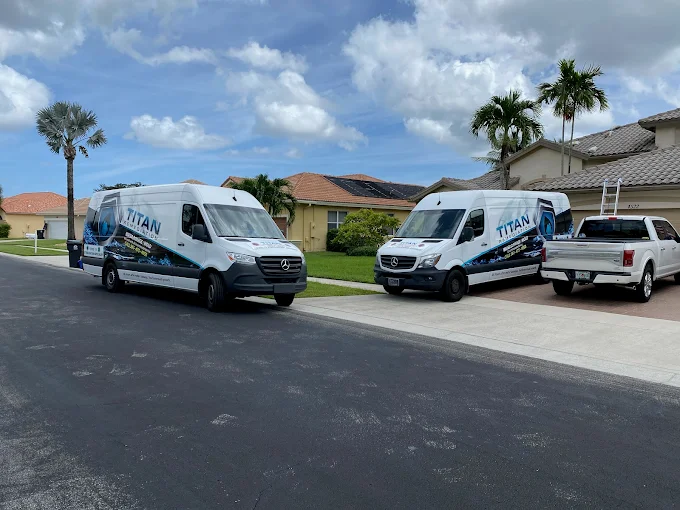
Finally, educate yourself about the signs of water damage and mold. Discoloration on walls or ceilings, an earthy smell, or bubbling paint could indicate a problem. By familiarizing yourself with these signs, you can act quickly and contact a professional remediation service, like Titan Remediation Industries, to assess and mitigate the issue effectively.
In conclusion, future-proofing your home against water and mold damage is about consistent vigilance and proactive maintenance. By implementing these steps, you protect not only your property but also the health and well-being of your family. Remember, the cost of prevention is significantly less than the repairs and health risks associated with water and mold damage. Stay ahead of the curve and keep your home safe and sound.