Navigating Insurance Claims After Disaster: A Step-by-Step Guide Mar 04, 2026
The first step in successfully managing an insurance claim after a disaster is to document everything meticulously. Begin by taking detailed photographs and videos of all damaged areas as soon as it is safe to do so. This documentation serves as critical evidence when presenting your claim to the insurance company. Record the condition of each item and structure, providing a clear before-and-after portrayal that can be invaluable for your case.
Once you have comprehensive documentation, review your insurance policy closely. This document provides the blueprint for what is covered under your specific plan. Understanding the nuances of your policy can help you identify which damages you can claim and avoid any unpleasant surprises during the process. If any part of the policy language is confusing, contact your insurance agent for clarification.
Next, it's time to notify your insurance company about the disaster. Prompt notification is crucial because many policies have a limited window for reporting damages. Reach out to your insurer as quickly as possible to initiate the claim process. During this interaction, provide them with all the evidence you have collected and detail the extent of the damages experienced.
Following initial contact with your insurer, an insurance adjuster will likely be assigned to your case. The adjuster will visit the site to assess the damage and validate the information you have provided. Be sure to accompany the adjuster during the walkthrough, pointing out all the areas you have documented as damaged. Your presence ensures that nothing is overlooked and allows you to provide context for the claims you are making.
Handling the post-assessment phase involves maintaining organized and ongoing communication with your insurance company. This phase requires persistence, as processing claims can sometimes be a lengthy endeavor. Keeping detailed records of all correspondences, including dates, times, and the names of representatives you speak with, can aid in maintaining an effective dialogue with your insurer.
In some cases, you may find that the settlement offered by the insurance company does not fully cover the repair and remediation costs you anticipate. If this occurs, do not hesitate to negotiate. Present any additional documentation you gathered during the process to substantiate your stance. If negotiations stall, considering a professional public adjuster or legal assistance might be a wise step.
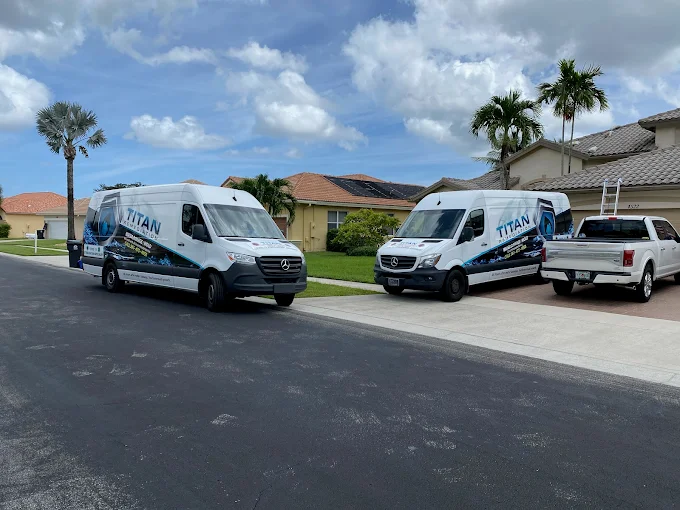
Navigating the insurance claim process after a disaster can be daunting, yet having a clear plan can alleviate much of the associated stress. At Titan Remediation Industries, we believe in empowering our clients with the knowledge needed to manage their insurance claims effectively. By following the steps outlined, you can ensure a smoother claims process, leading to a faster recovery for your property and peace of mind for you.
In conclusion, prompt action, thorough documentation, informed policy review, effective communication, and resilience during negotiations are vital components in the insurance claim process. As you embark on this journey, remember that guidance and support are available, and you need not face these challenges alone.