Weatherproofing Your Home: Essential Tips for Preventing Storm Damage Jul 26, 2026
A vital first step in weatherproofing is inspecting your roof. The roof is your home's first line of defense against the elements. Begin by examining for any loose or missing shingles that could allow water to seep through. Replace any damaged shingles promptly and consider applying a waterproof sealant to add an extra layer of protection. Additionally, cleaning your gutters and downspouts can prevent water from accumulating on your roof and causing leaks. Ensure water is directed away from the foundation to minimize the risk of flooding.
Windows and doors are often overlooked but can be weak points during a storm. Check that all seals and weather stripping are intact and replace any that show signs of wear and tear. Installation of storm shutters or impact-resistant windows can also provide better protection against high winds and flying debris. For doors, ensure they fit snugly within their frames. Adding door sweeps can block drafts and prevent water from entering under the door.
The structural integrity of your home also depends on its foundation. Inspect your foundation walls for any cracks or damage, as these can allow water to seep into your basement or crawl space. Sealing these cracks with epoxy or other suitable filler can prevent moisture intrusion. Regular maintenance can also include ensuring that the soil around your home slopes away to direct any excess water away from your foundation.
Landscaping plays a crucial role in weatherproofing as well. Trees provide aesthetic value but can become a hazard during a storm. Trim any overhanging branches and remove dead or diseased trees that could fall on your home during high winds. Properly maintained drainage in your yard can reduce the risk of waterlogging, while appropriate plant selection can minimize soil erosion.
Incorporating these steps not only helps in preventing storm damage but also enhances your home’s efficiency. By investing in quality materials and taking preventive measures, you can reduce the need for costly repairs after a storm. Adding surge protectors to your electrical system can guard against power surges during thunderstorms, saving appliances and other electronics.
Remember to maintain an emergency kit with essentials such as flashlights, batteries, non-perishable food, and water. This preparedness ensures your family’s safety and comfort during power outages caused by severe weather.
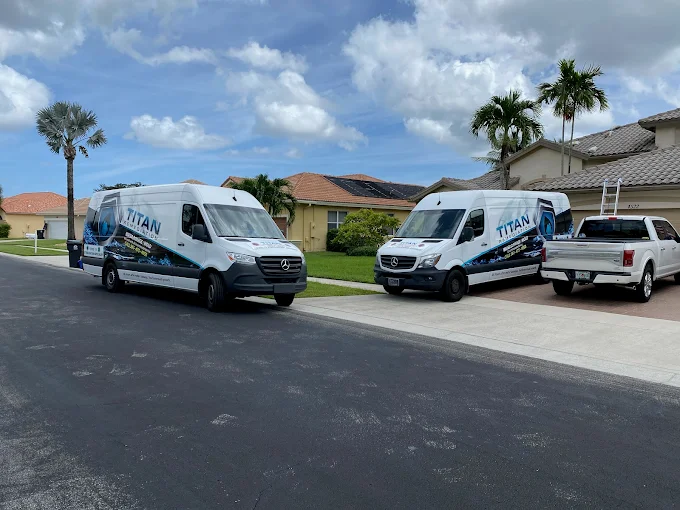
Concluding, weatherproofing is a sound investment that secures the safety and longevity of your home. By following these essential tips, you can significantly reduce the risk of storm-related damages. Titan Remediation Industries always recommends staying informed about weather conditions and seeking professional assistance for extensive repairs or installations. By doing so, you can enjoy peace of mind no matter what nature has in store.